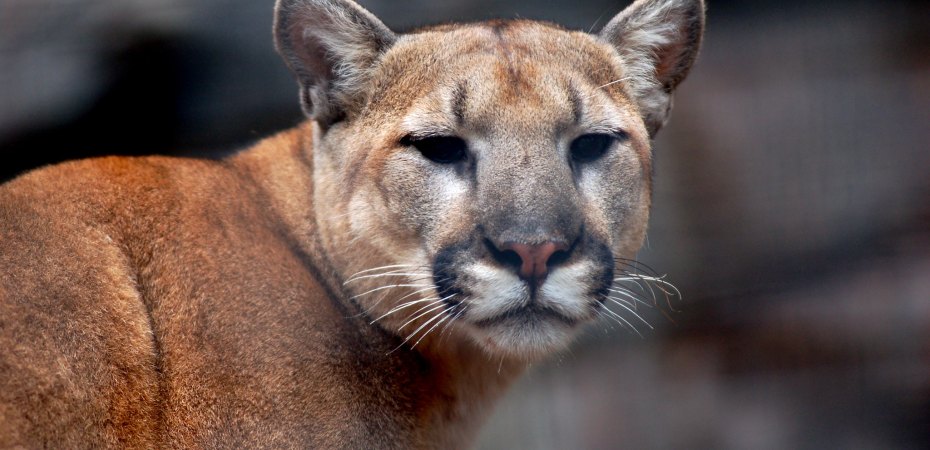
As I learned from a variety of sources while doing the cat books, mountain lions were among the large mammals that went extinct in North America at the end of the last ice age.
But farther south, something kept them going and they eventually recolonized the north.
I don’t know why Smilodon, which also was well established in South America, could not do this.
Now comes the sad part. Living so close to us did not work out well for P22.
He was exposed to pesticides and other chemicals, as well as garbage.
While the Griffith Park mountain lion was beloved by many, he finally started behaving erratically, becoming violent, and had to be put down.
The postmortem revealed an ugly story — and a problem that is not easily addressed no matter how many wildlife corridors we build.
But those crossings are important for building resilience in wildlife populations as well as for protecting them AND traffic.
This one is due to open in the fall.
Now for a happier story. These rescues happen in California, too; I chose this story from Oregon because of its length.
So many of these cubs are orphaned at such a young age that they can’t be rewilded: they never learned the skills for survival from Mom.
More information:
- On mountain lions in California
- Learning to be lions — it’s probably a similar process for all large cats (note: mountain lions are big, but they are not “big cats,” i.e., Panthera)
- P-121’s rescue and ultimate loss: an overview of the situation in California as of last month
Meanwhile, in Idaho…
Featured image: Mountain lion in the San Diego Zoo, by Jonathan Cook Fisher, CC BY-NC-ND 2.0
 Flight To Wonder