We looked at some North American nimravids last week — elsewhere in that prehistoric world, there were other nimravids, too, everywhere but in geographically isolated South America and Antarctica, 30-some million years ago.
As a predator group, nimravids were very successful for a long time. But while they were the first known carnivores with a feline shape, nimravids were not true cats.
Family Felidae was just getting started back then, perhaps in Asia, but its first known fossil comes from Europe.
Evolution: Lite
We’ve briefly looked at the first cat already, as well as at the pseudaelurines who followed it and who, among other things, apparently broke the “cat gap” by wandering into North America several million years after the nimravids died out there (see Werdelin et al. for a fuller discussion, including alternate views).
The folks at Animalogic did a nice video on that “Dawn Cat”:
I wish someone would fix those eyes, though.
Evolution: Intense
We all know how cats earn their living, though I and many of this blog’s readers prefer to focus on their beauty and other fascinating feline features.
We also know that it’s rough out there, and that most wild animals do not survive into old age. Many don’t even make it to adulthood.
I don’t get into that aspect of cat evolution much — heck, it’s hard enough to stay human and humane in our world without bringing in Nature’s brutal facts.
But one can’t look at how cats evolved without at least recognizing the forces that have shaped cats.
This sort of thing has been going on, day after day, ever since the Dawn Cat’s time (and before, too) — what we know today as cats are the result:
There’s nothing gratuitous, but do take their viewer advisory seriously. What made me decide to include it on a Friday was what they say about bloodlines. It’s true, and it succinctly sums up how cats — and all other forms of life on Earth — have involved.
For reasons that we may never know, the nimravid bloodline eventually failed; as a group, the cats thus far have held on.
Lagniappe:
We’ve seen this next video before, but in this post it’s worth noting that, at least according to Werdelin et al., clouded leopards are the oldest of all living cats.
That may explain why they seem a little weird, though still very beautiful.
This sort of thing has been going on for ~30 million years, too!
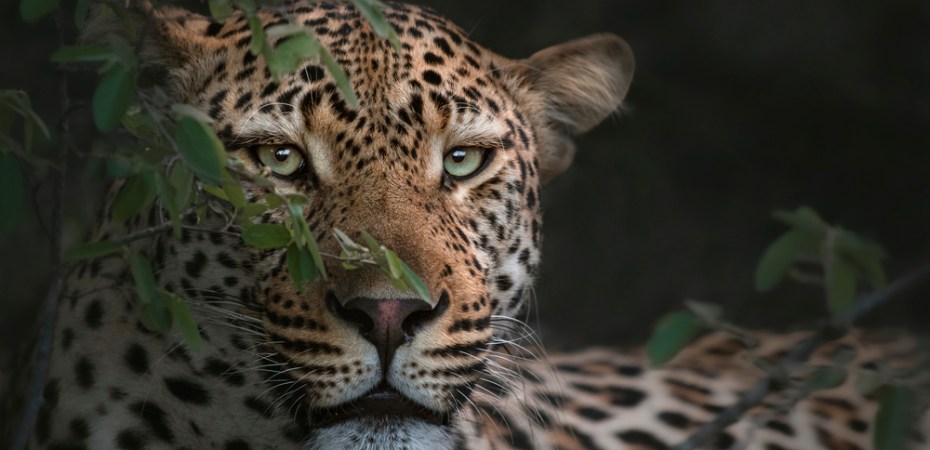
Featured image: Henrico Muller/Shutterstock
 Flight To Wonder